
When scaffolding is the right call.
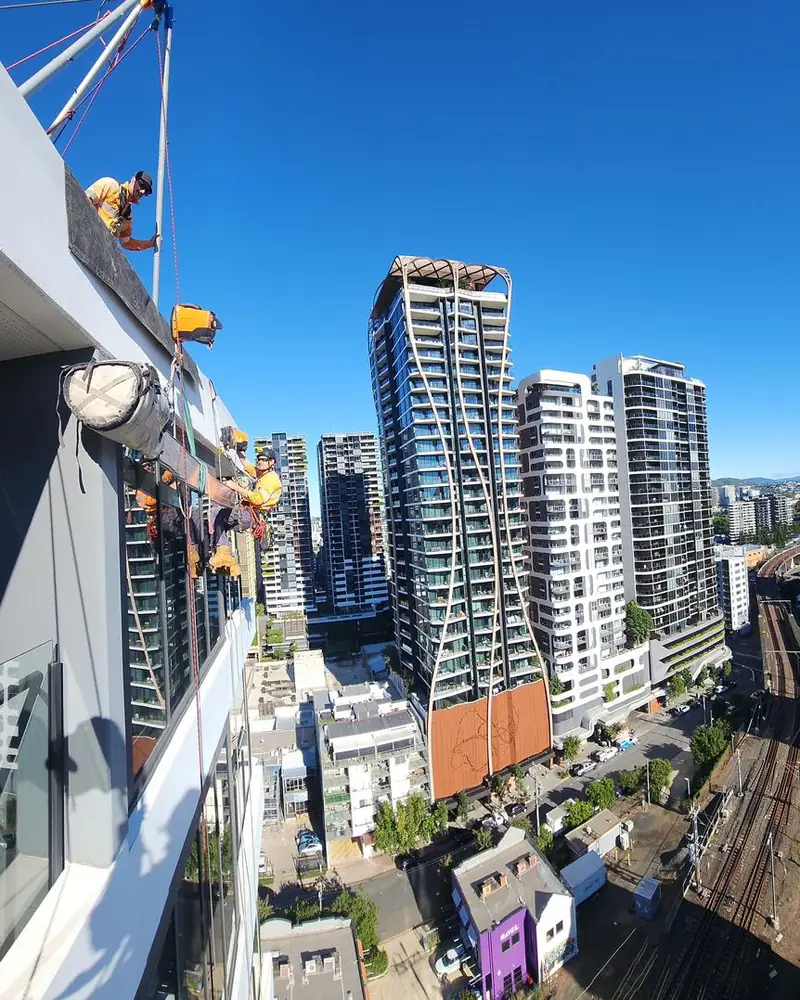
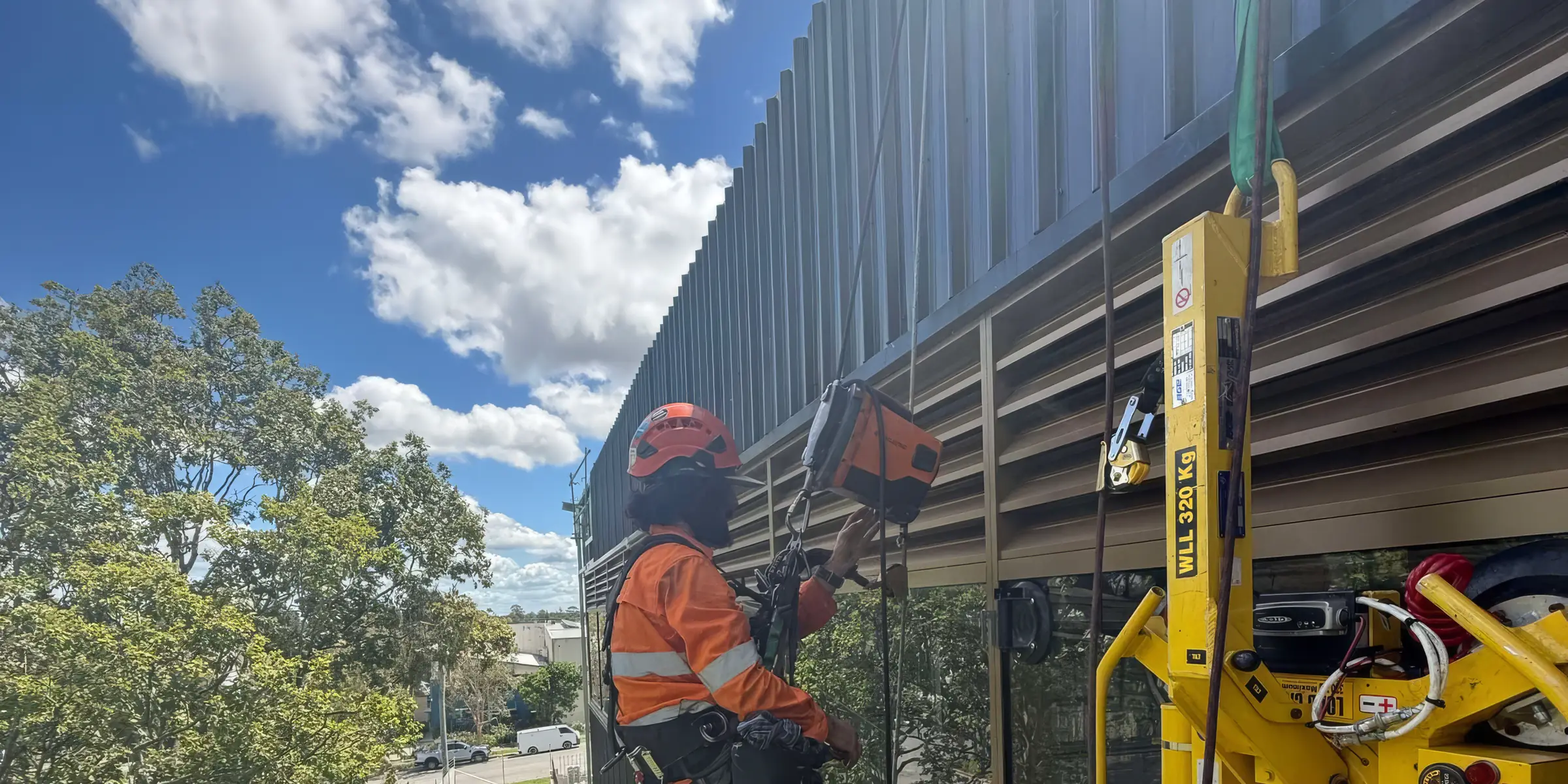
Rope access is our default, but it isn’t always the right answer. New construction over multiple weeks, large-area façade work, public-access constraints, or sites where there genuinely aren’t suitable anchor points: scaffolding is sometimes the better tool.
We won’t pitch scaffold for a job that should be done on rope, and we won’t pitch rope for a job that should be done on scaffold. The point is the right answer for the building, not the access method we prefer.
Where it fits.
- New-build construction access over extended programmes
- Large-area façade work where rope access would mean an impractical number of mobilisations
- Sites without suitable anchor capacity for rope access
- Public-access conditions where scaffolding controls fall risk better than rope
What it includes.
- Scaffold design and load calculation
- Install, inspection, and certified handover
- Clean removal on completion
- Coordination with the broader works programme
Common questions.
Why would a rope access company offer scaffolding?
Because the right answer depends on the job, not on what we prefer to sell. Rope access is our default: it's faster to mobilise and cheaper for most façade and maintenance work. But some jobs genuinely suit scaffold: extended new-build programmes, large continuous work areas, or sites without suitable anchor capacity. We'll tell you which is right and why.
Does scaffolding require a QBCC licence in Queensland?
Not a QBCC licence, no. Scaffolding sits under work health and safety law rather than QBCC trade licensing: the people erecting, altering or dismantling a scaffold hold a high-risk work licence issued by WorkSafe Queensland, graded basic, intermediate or advanced according to the type of scaffold. QBCC licence classes cover building trades. Konstruct is a QBCC-licensed contractor (licence 15377673) and scopes scaffolding as part of the access solution rather than as a standalone trade.
How long does it take to install and remove scaffolding?
Depends entirely on scope: a single-lift access scaffold on a residential building can be up in a day; a multi-storey façade scaffold on a commercial site is a staged programme. We scope and schedule it as part of the overall works coordination, not as an afterthought.